

 English
 中文简体
中文简体 Español
How Size and Height Affect Patio Coffee Table Comfort and Function
Jan 05, 2026Content
Understanding the Relationship Between Table Height and Seating Height
The height of a patio coffee table directly affects how comfortable it feels during daily use. A table that sits too high can interrupt natural arm movement, while one that is too low may force users to lean forward excessively. In outdoor seating arrangements, coffee tables are generally positioned lower than indoor living room tables to align with relaxed seating postures commonly found in patio sofas, sectionals, and lounge chairs.
A practical approach is to select a table height that is close to the seat height of the surrounding furniture, often slightly lower. This allows easy access to drinks, snacks, or decorative items without straining wrists or shoulders, maintaining comfort during extended outdoor gatherings.
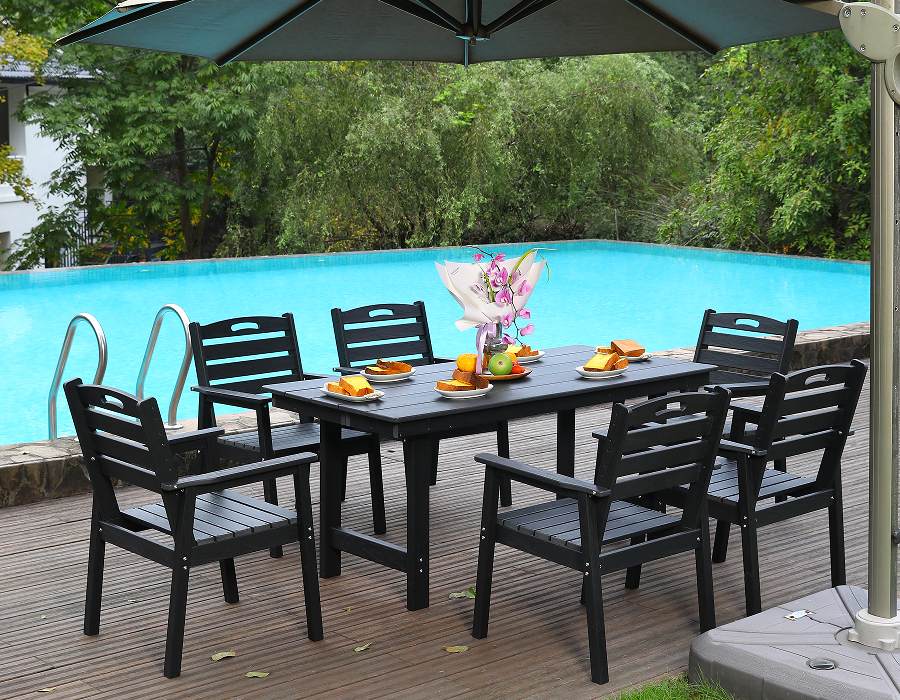
How Table Size Influences Movement and Accessibility
The surface size of a patio coffee table plays a significant role in how people move around an outdoor seating area. Oversized tables may limit legroom or block walkways, especially in compact patios or balconies. On the other hand, tables that are too small may not provide enough usable surface for multiple users.
When planning size, it is important to consider both the number of seats and the circulation space around the table. Adequate clearance ensures that guests can enter and exit seating positions comfortably without bumping into furniture.
Clearance Guidelines for Comfortable Use
- Leave sufficient space between the coffee table and seating to allow natural leg movement.
- Maintain clear walkways around the table to prevent congestion in high-traffic outdoor areas.
- Match table proportions to the seating layout rather than choosing size based on appearance alone.
Balancing Surface Area With Functional Needs
A patio coffee table often serves multiple purposes, from holding beverages to supporting shared dishes during casual outdoor meals. The surface area should reflect how the space is typically used. For conversation-focused seating areas, moderate-sized tables help keep the layout open and uncluttered. In entertaining-focused settings, larger surfaces may be more practical.
Choosing the right balance prevents overcrowding while still supporting daily functional needs. Rectangular or oval tables can provide extended surface space without appearing bulky, while round tables encourage even access from all sides.
Comparing Common Patio Coffee Table Dimensions
Understanding typical size ranges can help narrow down suitable options during selection. The table below outlines general relationships between seating height, table height, and intended use scenarios.
| Seating Type | Recommended Table Height | Typical Use Focus |
| Outdoor Sofa | Lower than seat height | Relaxed seating and drinks |
| Deep Lounge Chairs | Low-profile table | Casual conversation |
| Sectional Seating | Wide, moderate height | Shared items and entertaining |
Adapting Size and Height to Patio Layout Constraints
Every outdoor space presents different limitations, such as irregular shapes, narrow walkways, or fixed architectural elements. In these situations, adjusting coffee table height or footprint can significantly improve usability. Lower tables can visually open up smaller patios, while compact dimensions help maintain functional circulation paths.
Carefully matching size and height to the specific layout supports both comfort and function, allowing the patio coffee table to integrate naturally into the outdoor environment rather than dominating it.
Contact Us
Your email address will not be published. Required field are marked*
Categories
- Company News(1)
- Industry News(47)
Product Category

Professional Furniture Manufacturing

Zhejiang Xinyike New Material Technology Co.,Ltd is a combination of industry and trade, specializing in the production and processing of PE foam furniture and PVC foam flooring. Modern HDPE Outdoor Furniture Manufacturers in China.

- [email protected]
- +86-13511235540 /13732381238
- F/5, Factory Building 3, Xiaquan Industrial Park, Lingfeng Street, Anji Country, Huzhou City, Zhejiang Province(within Zhejiang Anji Changran Logistics Technology Co., Ltd.)
