

 English
 中文简体
中文简体 Español
How to Clean Polywood Cushions: Expert Tips for Lasting Outdoor Furniture
Sep 15, 2026Content
At Zhejiang Xinyike New Material Technology, we have spent years manufacturing HDPE outdoor furniture for partners around the world. One question we hear constantly from customers is how to clean Polywood cushions. The answer is simpler than most people expect. With the right supplies and a regular routine, you can keep your outdoor cushions bright, odor-free, and supportive for years. This guide reflects the same practical advice we give to our B2B clients, from wholesale buyers to large retailers.
Why Regular Cleaning Matters
Polywood cushions sit in the open environment, collecting pollen, dust, bird droppings, and even algae. If left alone, these contaminants work into the fabric and create a breeding ground for mold and bacteria. Regular cleaning does more than keep cushions looking new; it also protects the foam core and keeps your seating comfortable.
- Prevents fiber breakdown: Dirt particles act like sandpaper on fabric, weakening threads over time.
- Stops mildew growth: Moisture trapped in dirty fabric invites mold that can spread to the entire cushion.
- Preserves color: Pollen, bird droppings, and UV residue gradually fade and stain fabric.
- Extends cushion life: A simple weekly wipe prevents the need for harsh scrubbing later.
- Improves hygiene: Clean cushions are healthier for family and guests, especially around children and pets.
Our outdoor sofa sets and lounge chairs feature HDPE frames that resist rust and moisture, but the cushions still need care. A few minutes of preventive cleaning makes deep cleaning sessions much shorter and more effective.
 4-Piece HDPE Outdoor Patio Sofa Set with Loveseat, Armchairs, and Coffee TableThis weather-resistant set forms a sturdy base for your outdoor seating. Since the frames resist rust and moisture, a quick preventive cleaning keeps cushions fresh and shortens future deep-cleaning sessions.View Product →
Supplies You Need
Before you start, assemble these basic supplies. Most are probably already in your home, and none require harsh chemicals.
| Item | Purpose |
|---|---|
| Mild dish soap | Breaks down dirt and oil without harming fabric |
| Warm water | Helps soap dissolve and lifts grime |
| Soft-bristle brush | Gently scrubs without tearing fibers |
| Microfiber cloth | Dries and polishes cushion surfaces |
| Bucket | Holds your cleaning solution |
| White vinegar | Kills mildew and neutralizes odors |
| Baking soda | Lifts stains and absorbs smells |
| Rubbing alcohol | Removes stubborn spots like ink |
Step-by-Step Cleaning Routine
You do not need to wait for a visible stain to clean your cushions. In fact, a consistent routine prevents most stains from ever setting in.
Daily and Weekly Maintenance
Quick habits prevent heavy buildup. Each week, use a soft brush or vacuum to remove loose dirt. Check for bird droppings and remove them as soon as possible. Wipe spills with a damp cloth before they set.
- Brush or vacuum all sides of the cushion.
- Remove loose debris from seams and zippers.
- Spot-wipe sticky spots with a damp cloth.
- Shake out small droppings immediately.
Spot Cleaning
When a spill happens, act within a few minutes. Mix 1/4 cup of mild dish soap into a gallon of warm water. Dip a clean cloth into the solution, wring it out, and blot the stained area. Work from the outside toward the center to avoid spreading. Rinse with a second cloth dipped in plain water, then pat dry with a towel.
- Mix the cleaning solution.
- Dampen a cloth and wring it well.
- Blot the stain gently.
- Rinse with plain water.
- Air dry completely.
Deep Cleaning
Every four to six weeks, or after heavy use, give cushions a deeper clean. Start by vacuuming both sides to remove loose dirt. Then, make a fresh cleaning solution: 1/4 cup mild dish soap and either 1 cup white vinegar or 1/4 cup bleach per gallon of warm water. Use a soft brush to scrub the entire surface, paying attention to seams and zippers. Rinse with a hose until the water runs clear. Squeeze out excess moisture and let cushions dry completely in the shade.
- Vacuum both sides of the cushion.
- Prepare a gentle cleaning solution.
- Scrub with a soft brush.
- Rinse thoroughly with clean water.
- Press out water and air dry.
Handling Tough Stains
Some stains need extra attention. Oil, sunscreen, and mold are the most common problems for outdoor cushions. Here is how to tackle them without damaging the fabric.
Oil and Grease Stains
Oil from sunscreen, food, or skin can be stubborn. Blot fresh oil with a paper towel to absorb as much as possible. Then sprinkle baking soda or cornstarch over the spot and let it sit for 15 minutes to draw out the oil. Brush off the powder, apply a drop of dish soap, and work it into the fabric with your fingers or a soft brush. Rinse and air dry.
- Blot excess oil immediately.
- Use baking soda to lift the stain.
- Rub with a small amount of dish soap.
- Rinse completely.
Mold and Mildew
Mold often appears in humid climates or after cushions are stored damp. To remove it, mix 1/2 cup of borax per gallon of warm water and scrub the affected area. For a gentler alternative, make a paste of baking soda and water, apply, wait 15 minutes, and scrub. Rinse thoroughly. If mildew remains, use a diluted oxygen bleach solution, but test on an inconspicuous area first. Dry cushions in the sun to suppress future growth.
Moldy cushions are common on any outdoor furniture, but they do not mean the end of your set. If the frame is still solid, new cushion inserts or covers can refresh the whole chair. For example, our urban gray Adirondack lounge chair offers a weather-resistant base for your fresh cushions.
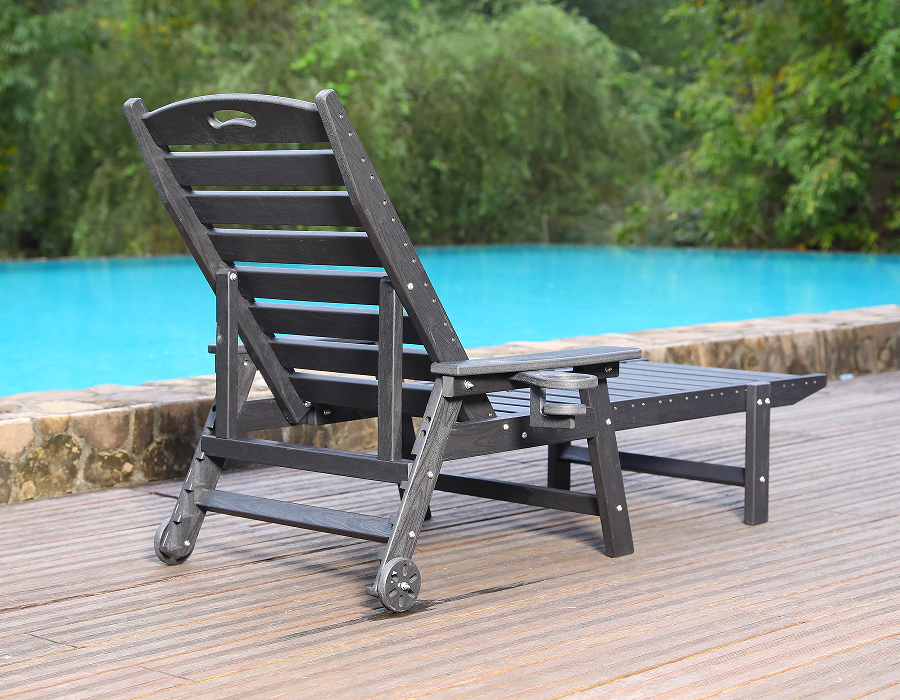 Urban Gray HDPE Single Adirondack Lounge Chair with Recline PositionsIf your current cushions are worn or moldy, this chair’s weather-resistant HDPE frame offers a solid replacement base. Its gray finish suits urban settings, and the durable structure pairs well with fresh cushions.View Product →
Drying and Storage Tips
Drying is a critical part of cleaning. Never let a deep-cleaned cushion stay damp overnight. Use towels to press out moisture, then place cushions upright so airflow reaches all sides. Avoid direct, intense sunlight during drying because it can fade some fabrics. Once completely dry, you can apply a fabric protector for extra resistance.
- Press moisture out with clean towels.
- Dry cushions on edge for airflow.
- Keep away from harsh direct sunlight.
- Only store cushions when they are fully dry.
Storage matters for winter or rainy seasons. Store cushions in breathable cotton or canvas bags, not plastic bins. Keep them in a dry indoor area if possible. This simple habit prevents mold and gives cushions a longer life.
Extending the Life of Your Cushions
In addition to regular cleaning, a few habits help your cushions stay plush. Use a patio umbrella or canopy to reduce direct UV exposure. Rotate and flip cushions weekly so they wear evenly. Keep sharp objects away from seams. Check zippers and stitching before washing to avoid damage.
If you have a full patio dining set, the same cleaning methods apply to all cushions. For more tips on keeping the entire set in top shape, see our guide on maintaining your patio dining set.
Remember that even the best cushions will age. When they reach the end of their service, consider replacing them instead of letting a worn cushion ruin a good frame. Our HDPE rocking chairs, for instance, offer a sturdy base that pairs with almost any standard outdoor cushion.
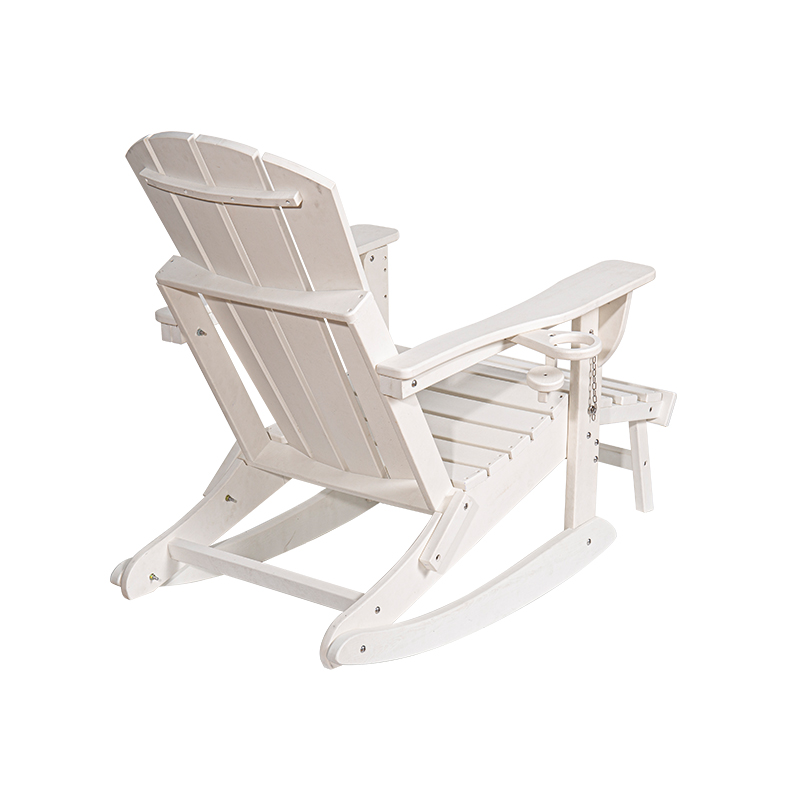 White Three-in-One Multifunctional HDPE Rocking Chair with Adjustable LegrestWhen cushions reach the end of their life, this rocking chair provides a sturdy, weather-resistant frame that works with standard outdoor cushions. Its adjustable legrest adds comfort for relaxed seating.View Product →
Frequently Asked Questions
Can I wash Polywood cushion covers in a washing machine?
If the cover has a zipper and the care label allows, machine-wash in cold water on a gentle cycle. Air dry only, because high heat can shrink or distort the fabric.
Can I use bleach on Polywood cushions?
Small amounts of chlorine bleach can work for white or colorfast fabrics, but always test first. Oxygen bleach is generally safer and works well on mildew.
How often should I clean outdoor cushions?
A light wipe-down every one to two weeks keeps routine dust away. Deep clean every four to six weeks, or more often if you live in a dusty area or use cushions daily.
Is vinegar safe for outdoor cushions?
Diluted white vinegar is safe for most polyester and acrylic fabrics. It is an excellent deodorizer and mild mildew inhibitor. Always rinse after cleaning.
What is the simplest way to remove bird droppings?
Act quickly. Scrape off the excess with a plastic spatula, then blot with soapy water. Rinse and pat dry. The longer droppings sit, the more chance they have to stain.
Polywood cushions are built to handle outdoor life, but they last longest when cleaned with intention. A few minutes of regular care, plus a deeper clean now and then, makes all the difference. As a manufacturer focused on outdoor living, we believe that well-maintained cushions and durable HDPE frames complete the perfect patio. If you are thinking about upgrading your outdoor seating, explore our collection and see how our frames pair with fresh, clean cushions for seasons of comfort.
Contact Us
Your email address will not be published. Required field are marked*
Categories
- Company News(1)
- Industry News(43)
Product Category

Professional Furniture Manufacturing

Zhejiang Xinyike New Material Technology Co.,Ltd is a combination of industry and trade, specializing in the production and processing of PE foam furniture and PVC foam flooring. Modern HDPE Outdoor Furniture Manufacturers in China.

- [email protected]
- +86-13511235540 /13732381238
- F/5, Factory Building 3, Xiaquan Industrial Park, Lingfeng Street, Anji Country, Huzhou City, Zhejiang Province(within Zhejiang Anji Changran Logistics Technology Co., Ltd.)
