

 English
 中文简体
中文简体 Español
Key Material Advantages of HDPE Chairs in Outdoor Furniture
Dec 03, 2025Content
- 1 Material composition and polymer properties that matter
- 2 UV resistance and weathering performance
- 3 Strength, stiffness, and load-bearing performance
- 4 Manufacturing methods and their effect on performance
- 5 Surface finish, color retention, and pigmented formulations
- 6 Maintenance, cleaning, and lifecycle upkeep
- 7 Environmental impact and recyclability
- 8 Comparison: HDPE versus common alternatives
- 9 Application guidance and selection criteria
- 10 Conclusion: practical benefits that affect performance and cost
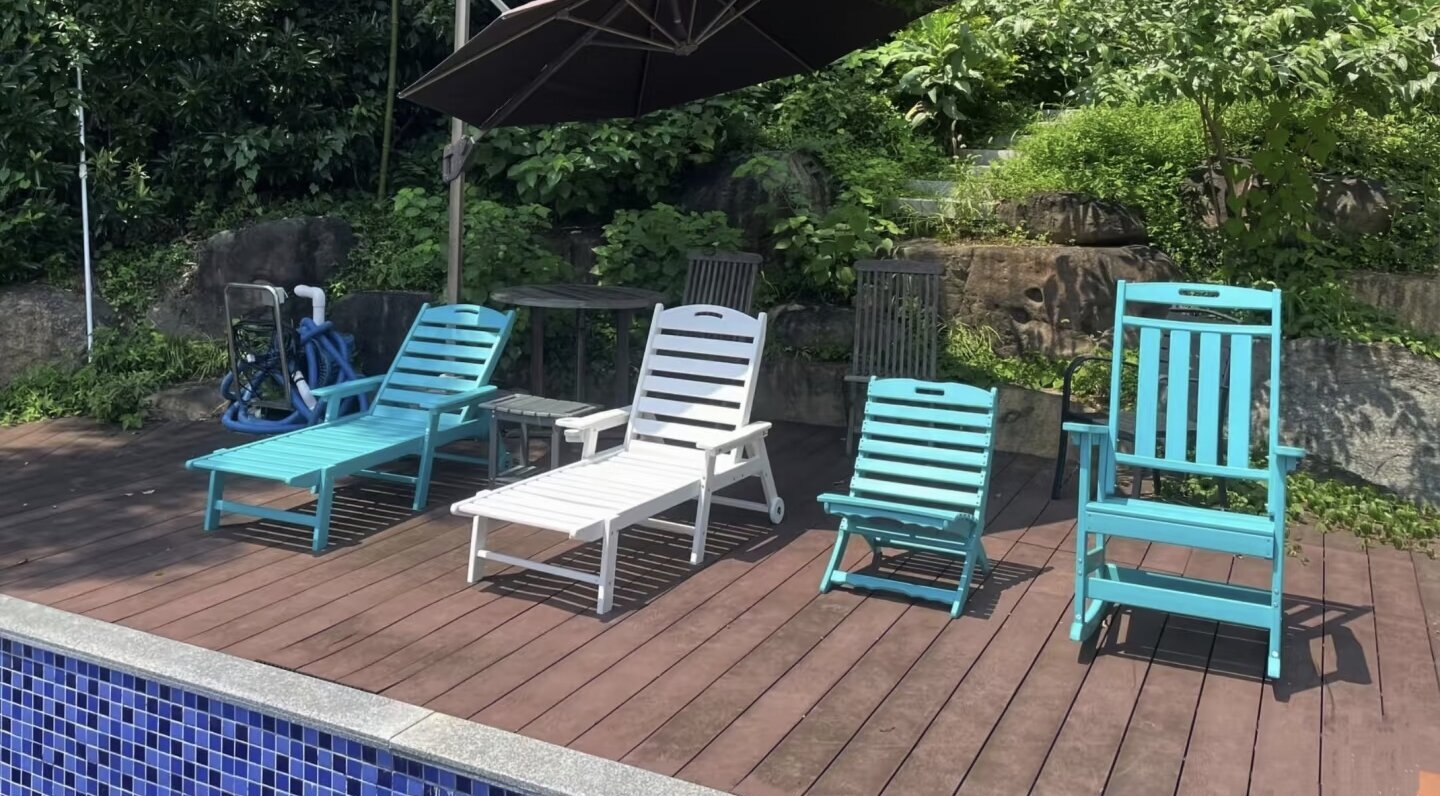
HDPE chairs deliver a combination of durability, low maintenance, and consistent appearance that suits outdoor settings. This section focuses on material-driven advantages that affect product life, user safety, and total cost of ownership. The following content breaks those advantages into practical topics you can use when selecting, specifying, or maintaining outdoor seating.
Material composition and polymer properties that matter
High density polyethylene (HDPE) is a semi-crystalline thermoplastic with a balanced set of properties for outdoor furniture. Its molecular structure gives HDPE a high impact resistance and a low moisture absorption rate. These intrinsic polymer traits reduce long-term degradation from repeated loads and exposure to wet conditions. Manufacturers commonly add UV stabilizers and antioxidants to the resin to maintain mechanical performance and color stability during extended outdoor use.
Key polymer-related benefits for chairs include consistent dimensional stability under varying humidity, resistance to cracking from impact or freeze-thaw cycles, and a smooth but resilient surface that resists splintering and corrosion problems that affect wood and metal alternatives.
UV resistance and weathering performance
Outdoor exposure challenges include ultraviolet radiation, temperature swings, precipitation, and airborne pollutants. HDPE formulated for exterior use contains UV absorbers or hindered amine light stabilizers (HALS) that slow polymer chain scission and preserve surface integrity. The result is reduced surface chalking, slower loss of tensile properties, and extended retention of color and gloss compared with untreated plastics.
In coastal or high-sun locations, select HDPE grades with enhanced UV packages and pigment concentrates designed for outdoor exposure. Pigmentation together with UV stabilization reduces fading and maintains an even appearance across molded parts.
Strength, stiffness, and load-bearing performance
HDPE provides a favorable balance between toughness and flexibility. Chairs made from HDPE resist brittle failure and absorb shock loads, which reduces the risk of fracture under sudden force. Designers use ribbing, thicker cross-sections at high-stress zones, and strategic geometry to increase stiffness without a large weight penalty. For commercial seating, reinforcing inserts or metal mounting points are common at fixings and attachments to maintain long-term structural integrity.
Practical reinforcement techniques
- Integrate molded ribs beneath seating and backrest areas to raise bending stiffness.
- Use overmolded or inset metal bushings at bolt locations to prevent wear around fasteners.
- Add thicker sections or sandwich structures where concentrated loads occur, such as armrests and leg junctions.
Manufacturing methods and their effect on performance
Common production methods for HDPE chairs include injection molding and structural foam molding. Injection molding yields precise surface detail and tight dimensional tolerances, which helps in modular product lines and snap-fit features. Structural foam molding uses a foaming agent to produce thicker parts with reduced weight and improved thermal insulation. Choice of process affects surface finish, cycle time, cost, and structural performance.
Implications for product design and manufacturing
- Injection molded parts allow thinner walls and finer detail, useful for stackable or nesting chair designs.
- Structural foam molded chairs can offer thicker sections with less material weight, which benefits large lounge or reclining chairs.
- Control of gate locations, cooling, and rib placement reduces sink marks and warp, improving final part flatness and assembly fit.
Surface finish, color retention, and pigmented formulations
HDPE can be supplied in solid colors through pigment concentrates or through secondary surface finishing such as textured molds. Pigmented HDPE resins distribute color throughout the part, so surface scratches are less visible than on painted or coated materials. Texture on the mold surface improves slip resistance and hides minor surface defects.
When specifying color, request UV-rated pigments and check for colorfastness test data. For high-wear environments, consider darker or mixed-tone formulations that mask dirt and scuffing while maintaining a consistent look over time.
Maintenance, cleaning, and lifecycle upkeep
Maintenance for HDPE chairs is straightforward. Use a soft brush or cloth with mild detergent to remove surface soils. Avoid abrasive cleaners and harsh solvents that can attack the surface or strip stabilizers. For disinfecting in public spaces, select cleaners compatible with HDPE and confirm they do not contain strong oxidizers that accelerate surface degradation.
Recommended cleaning procedure
- Rinse loose debris with water.
- Apply mild detergent solution and scrub with a soft brush.
- Rinse thoroughly and dry with a cloth to remove trapped moisture from joints.
Environmental impact and recyclability
HDPE is widely recyclable and can be processed into new products at end of life. Selecting HDPE furniture that uses recycled content reduces virgin resin demand and lowers embodied carbon when compared with some alternatives. When specifying for sustainable projects, request information about the product's recycled content, recyclability at end of life, and any certifications that document material sourcing.
Comparison: HDPE versus common alternatives
| Property | HDPE | Wood | Metal |
| Moisture resistance | High | Low without treatment | High but may corrode |
| Maintenance effort | Low | Moderate to high | Moderate; requires coatings |
| Resistance to impact | Very good | Varies by species | High but can dent |
| Color longevity | High with UV stabilization | Fades unless finished | Requires repainting or powder coat |
Application guidance and selection criteria
Match HDPE chair selection to the site and expected use. For high-traffic public spaces, specify chairs with reinforced mounting points, replaceable hardware, and a UV-rated resin. For residential or resort settings, prioritize color palette, texture, and stackability. For coastal installations, request corrosion-resistant fasteners and extras in the UV stabilizer package.
Checklist for specifying HDPE chairs
- Confirm UV-stabilized resin and pigment rating.
- Verify reinforcement at fastener points and load areas.
- Request maintenance and cleaning guidance from the supplier.
- Ask for recycled content data and end-of-life recycling instructions.
Conclusion: practical benefits that affect performance and cost
HDPE chairs offer a combination of low maintenance, reliable weather resistance, and design flexibility that reduces long-term ownership costs. When specified with appropriate UV stabilization, reinforced details, and compatible hardware, HDPE seating performs well in a wide range of outdoor environments. Use the selection checklist and reinforcement guidance above to match product choice to the intended application and maintenance plan.
Contact Us
Your email address will not be published. Required field are marked*
Categories
- Company News(1)
- Industry News(47)
Product Category

Professional Furniture Manufacturing

Zhejiang Xinyike New Material Technology Co.,Ltd is a combination of industry and trade, specializing in the production and processing of PE foam furniture and PVC foam flooring. Modern HDPE Outdoor Furniture Manufacturers in China.

- [email protected]
- +86-13511235540 /13732381238
- F/5, Factory Building 3, Xiaquan Industrial Park, Lingfeng Street, Anji Country, Huzhou City, Zhejiang Province(within Zhejiang Anji Changran Logistics Technology Co., Ltd.)
