Industry Knowledge
Understanding HDPE Behavior Under Outdoor Stress Conditions
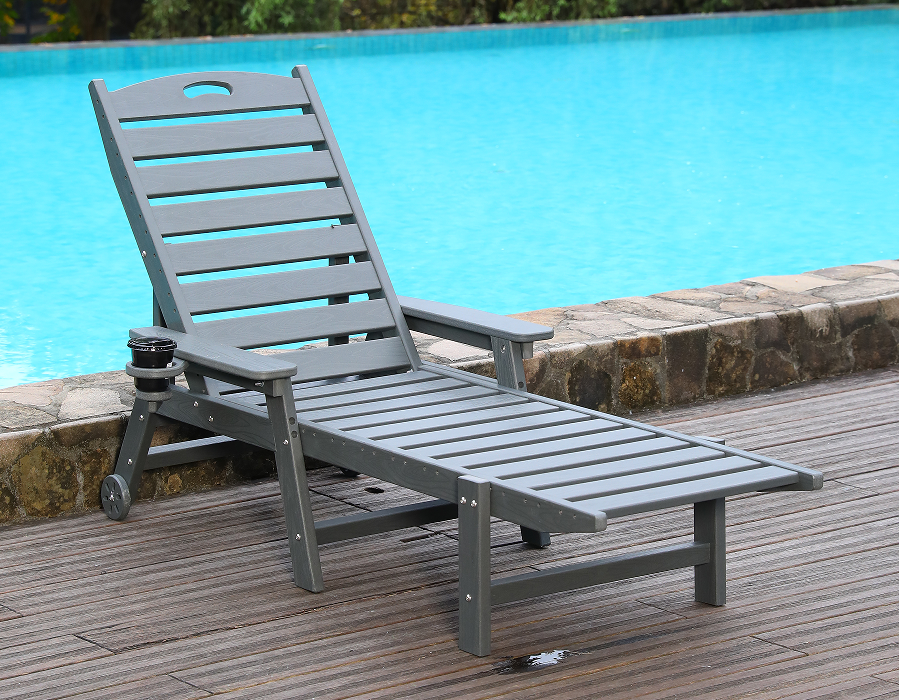
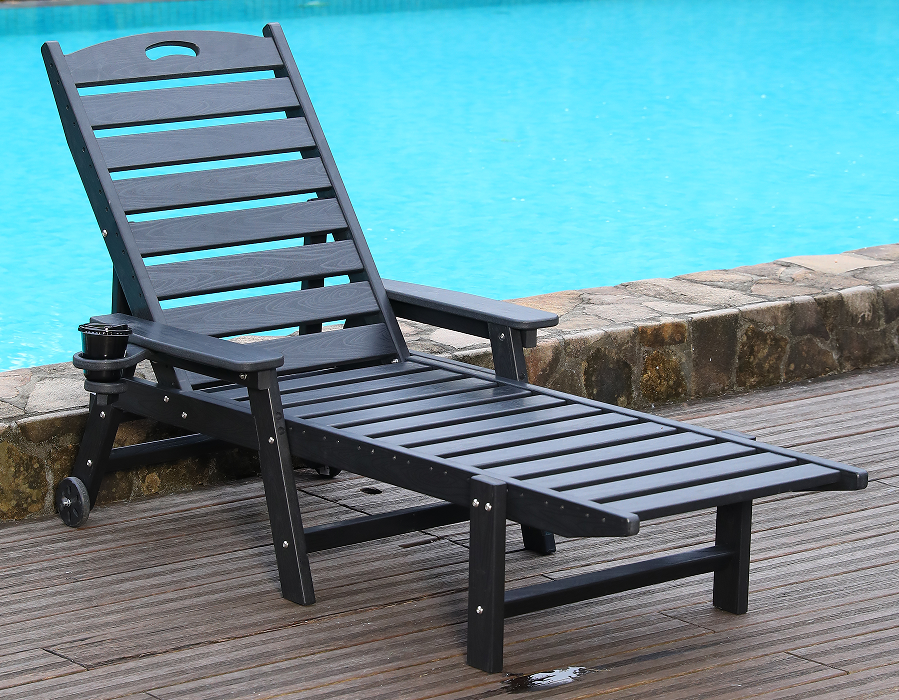
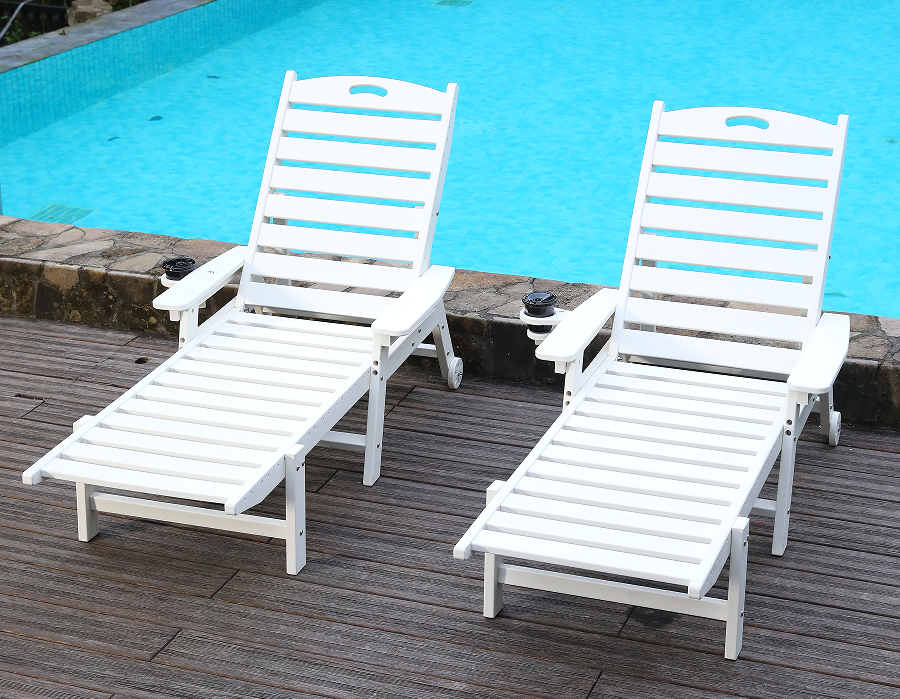
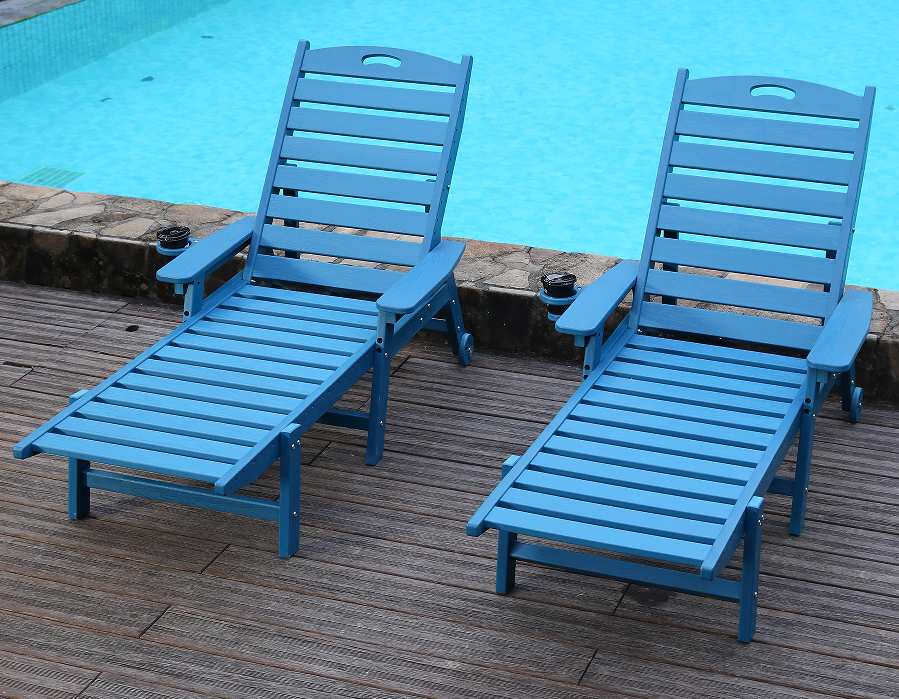
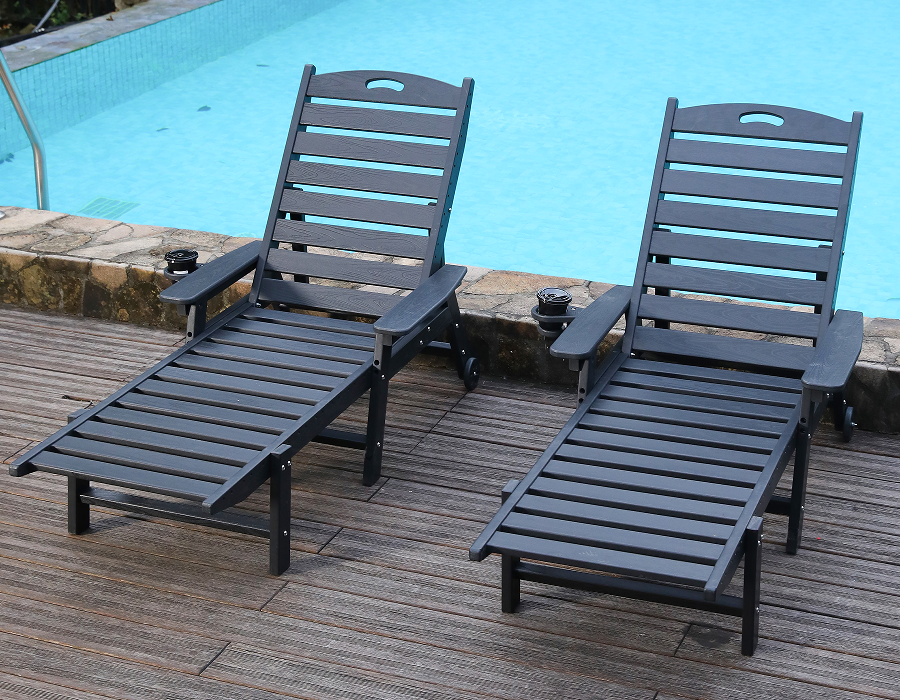
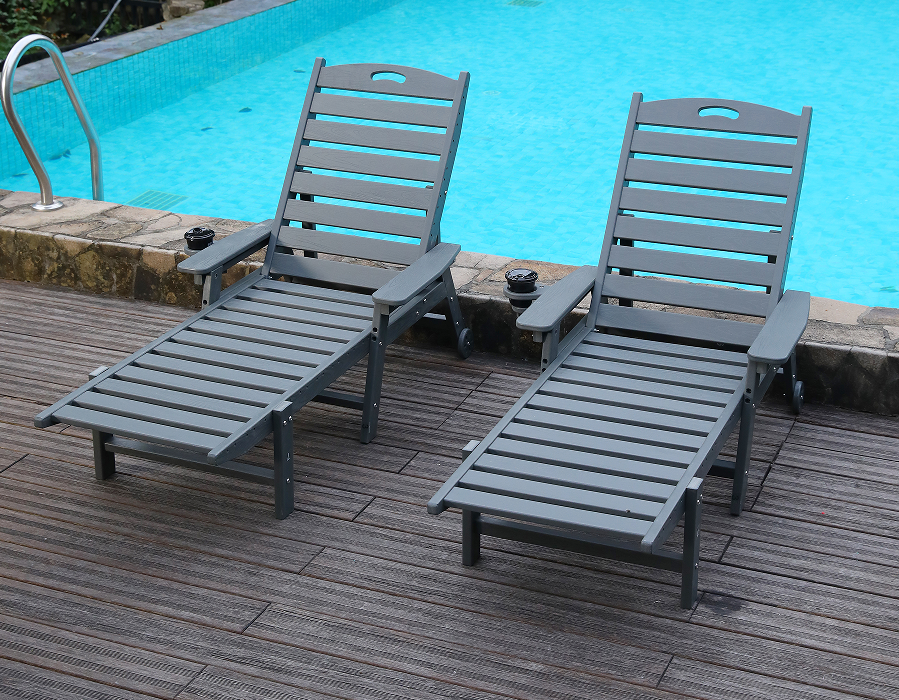
The long-term performance of Patio Lounge Chairs depends heavily on how HDPE behaves when exposed to sunlight, moisture, and rapid temperature changes. Manufacturers analyze resin melt flow index, crystallinity, and polymer chain stability to determine how the material will respond to ultraviolet degradation or thermal cycling. When designing Outdoor Patio Lounge Chairs intended for coastal resorts or humid regions, material engineers compare stabilizer packages and evaluate how specific additives influence chalking resistance and surface retention. This type of material-level insight directly shapes product reliability in open-air environments.
UV stabilizer performance and weathering patterns
HDPE that lacks adequate UV protection can embrittle, discolor, or lose surface integrity over time. Technical teams study weathering curves and track changes in tensile strength and elongation after accelerated UV exposure. Data from these tests helps determine the correct stabilizer ratios for Patio Chaise Lounge Chairs used in high-insolation regions. These adjustments ensure that chairs maintain structural strength even after prolonged outdoor use.
Material Selection Strategies for High-Stress Load Areas
The load-bearing points of Patio Lounge Chairs require precise selection of HDPE grades to balance stiffness and flexibility. Material technologists evaluate resin modulus and impact performance to determine which grade minimizes deformation under concentrated loads. When designing reclining systems for Patio Chaise Lounge Chairs, engineers analyze stress points around hinge positions and leg supports, selecting resin blends that absorb dynamic forces without warping. This approach ensures repeatable comfort and stable seating structure.
Impact resistance and cold-weather performance
Regions with low winter temperatures challenge HDPE due to possible brittleness when molecular mobility decreases. For Outdoor Patio Lounge Chairs used in cold climates, laboratories measure low-temperature impact strength and adjust material formulation with modifiers that retain toughness during freeze-thaw cycles. These targeted changes prevent micro-cracking and extend service life in areas with harsh seasonal transitions.
Color Stability and Surface Protection Technology
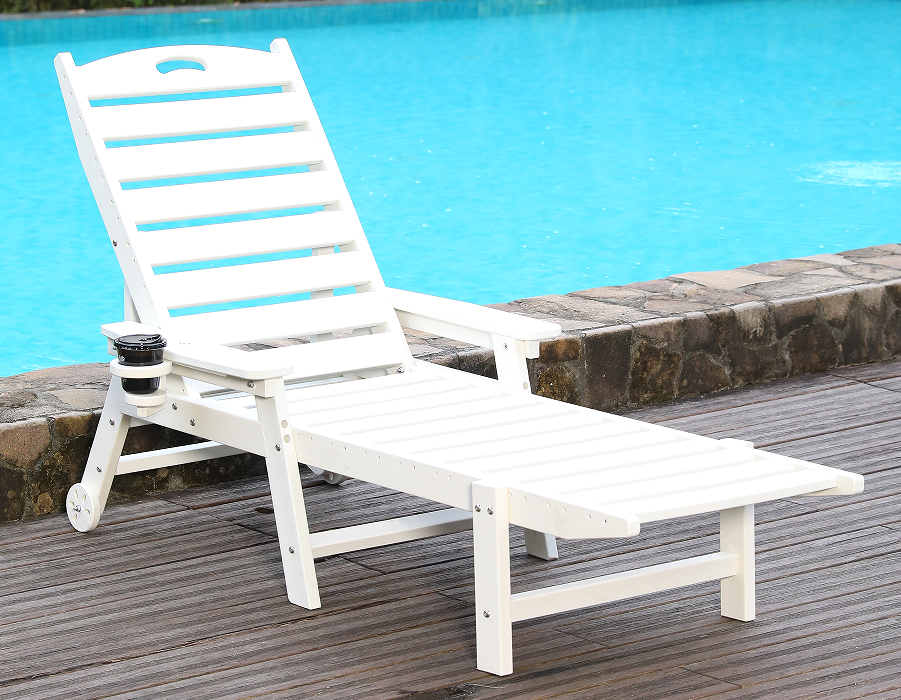
Color fastness is a critical factor for hotels and residential buyers who require visually consistent Patio Lounge Chairs. HDPE color masterbatch dispersion quality determines how well pigments resist fading and patchiness after extended exposure to sunlight. Manufacturers refine masterbatch integration processes, using controlled mixing speeds and thermal profiles to avoid color streaking. The result is more predictable aesthetics, especially for lighter shades commonly used on Patio Chaise Lounge Chairs.
Surface hardness and scratch resistance
Outdoor use subjects chair surfaces to sand abrasion, poolside chlorine exposure, and frequent contact with hard objects. To reduce surface wear on Outdoor Patio Lounge Chairs, engineers adjust resin density and select additive packages that increase surface hardness. This leads to improved scratch resistance, making the chairs suitable for high-traffic commercial environments such as resorts or public pool decks.
Material Processing Windows and Their Effect on Final Strength
A deep understanding of HDPE material behavior during extrusion or molding determines how effectively structural integrity is maintained. Specialists analyze melt temperature, screw speed, and cooling efficiency to avoid internal stresses that weaken Patio Lounge Chairs. For Patio Chaise Lounge Chairs with thicker structural sections, technicians refine cooling cycles to promote uniform crystallization and prevent residual stress that may lead to warpage over time.
- Optimizing melt flow reduces weak zones in load-bearing areas.
- Controlling cooling rates prevents uneven shrinkage on Outdoor Patio Lounge Chairs.
- Fine-tuning mold pressure ensures consistent surface definition for textured finishes.
Comparative Evaluation of HDPE Grades for Outdoor Seating
Different seating styles require HDPE grades with specific mechanical behaviors. Material engineers compare grades by analyzing tensile strength, environmental stress cracking resistance, and dimensional stability under long-term load. This evaluation is essential for both Patio Lounge Chairs and Outdoor Patio Lounge Chairs, especially when large seating surfaces must retain shape after continuous use. Evaluating these metrics allows manufacturers to match each resin grade to its appropriate product design.
| HDPE Property |
Performance Relevance |
Application in Patio Seating |
| UV resistance |
Prevents long-term color fading |
Used in Outdoor Patio Lounge Chairs exposed to intense sunlight |
| Impact toughness |
Reduces cracking under sudden loads |
Critical for Patio Chaise Lounge Chairs with moving parts |
| Density and hardness |
Enhances surface wear resistance |
Important for Patio Lounge Chairs placed on abrasive outdoor surfaces |
Recyclability and Material Traceability for Sustainable Products
Growing sustainability requirements encourage manufacturers to ensure resin traceability and controlled sourcing. HDPE’s recyclability is one of its strengths, but maintaining mechanical predictability requires careful separation of post-consumer and virgin resin streams. For high-end Patio Lounge Chairs, using traceable virgin-grade HDPE helps maintain dimensional stability. Meanwhile, Outdoor Patio Lounge Chairs designed for eco-focused buyers may incorporate recycled content with adjusted formulations to protect durability.
How Material Knowledge Shapes Lifecycle Performance
Lifecycle considerations include how HDPE matrices resist oxidation, chlorine exposure, and mechanical fatigue over time. Engineers review accelerated aging data and simulate years of outdoor exposure to forecast how Patio Chaise Lounge Chairs will behave in real-world settings. These insights guide formulation adjustments and processing improvements that enhance structural reliability, color stability, and user comfort throughout the product’s service life.


 English
 中文简体
中文简体 Español