

 English
 中文简体
 Español
How to Wash Outdoor Pillows: A Practical Care Guide for Long-Lasting Patio Comfort
Oct 27, 2026Content
- 1 Read the Care Label Before You Wash Anything
- 2 What You Need for a Gentle Wash
- 3 Step-by-Step Washing for Removable Covers
- 4 A Quick Guide to Common Outdoor Pillow Stains
- 5 Drying Matters More Than Washing
- 6 Mildew, Odors, and Deep Cleaning
- 7 Caring for the Furniture Underneath
- 8 How Often Should You Wash Outdoor Pillows?
- 9 When It Is Time to Replace a Pillow
Outdoor pillows make a patio feel welcoming, but they also collect pollen, sunscreen, bird droppings, and whatever the weather leaves behind. The good news: most outdoor pillows are easier to clean than people fear. The trick is to work gently, use the right amount of water, and dry them completely. After years of building outdoor furniture, we have seen what happens when pillows are hosed down and put away damp—and what happens when they are cared for properly.
Read the Care Label Before You Wash Anything
Before you mix soap or drag out the hose, look for the care label. It will tell you whether the cover can be removed, whether machine washing is allowed, and whether the fabric tolerates bleach. "Outdoor" does not mean indestructible. Solution-dyed acrylic, polyester, and olefin blends all behave a little differently.
If the cover zips off, wash the cover rather than the whole pillow. If the pillow is sewn shut, treat it as spot-clean only unless the label says otherwise. Foam and loose fiber fills soak up water, and a damp insert is the start of mildew. Check seams and zippers too; a small split can turn a gentle wash into a stuffing emergency.
Test any cleaning solution on a hidden area first. If color transfers or the fabric puckers, use plain water and a soft brush instead.
What You Need for a Gentle Wash
You do not need a cabinet full of specialist products. A simple kit works well for most outdoor pillows:
- A vacuum with a soft brush attachment
- Mild liquid soap or a small amount of gentle dish detergent
- A bucket of lukewarm water
- A soft sponge, cloth, or soft-bristled brush
- A hose or pitcher for rinsing
- Clean towels and a drying rack
Skip harsh degreasers, fabric softener, and high-pressure nozzles. They can strip finishes, push dirt deeper into seams, or distort the filling. If you use a commercial outdoor fabric cleaner, follow its dilution instructions exactly and test it first.
Step-by-Step Washing for Removable Covers
- Vacuum both sides of the pillow to remove loose dust, pollen, and pet hair. Brush out dried mud before it turns into a paste.
- Remove the cover if it is designed to come off. Close the zipper and turn the cover inside out. Fasten any ties so they do not tangle.
- Pretreat obvious marks with a small amount of mild soap and water. Let it sit for three to five minutes, then blot with a soft cloth.
- Wash by hand in lukewarm water, or use a gentle machine cycle if the care label allows. Keep the water cool, use a small amount of detergent, and avoid overloading the machine.
- Rinse until the water runs clear. Detergent residue attracts dirt and can make fabric feel stiff.
- Press the water out with a clean towel. Do not wring or twist the cover.
- Air dry the cover completely before putting it back on the insert.
For attached covers, keep water minimal. Sponge the surface, rinse with a damp cloth, and blot dry. Never submerge a foam-filled pillow unless the label says it is safe.
A Quick Guide to Common Outdoor Pillow Stains
Different messes need different handling. The table below is the shortcut we use when a pillow has a specific problem, rather than a general layer of dust.
| Situation | Best first step | What to avoid |
|---|---|---|
| Fresh dirt or pollen | Vacuum, then rinse with cool water | Scrubbing dry fabric |
| Food or drink | Blot, apply mild soap solution, rinse | Rubbing stain deeper |
| Sunscreen or oil | Blot, use a drop of mild dish soap, gentle brush, rinse | Hot water and harsh degreaser |
| Bird droppings | Remove solids, clean area with mild soap, rinse, dry in airflow | Chlorine bleach on colored fabric |
| Mildew spots | Brush outdoors, wash with mild soap and oxygen bleach if label allows, dry thoroughly | Sealing away a damp pillow |
Drying Matters More Than Washing
A clean pillow that stays damp is not clean for long. Mildew can begin in seams and filling before the surface feels wet. After washing, press out excess water, then lay the pillow flat on a clean towel or stand it on edge in a shaded, breezy spot. Turn it every few hours so air reaches both sides.
Avoid high heat in a tumble dryer. The cover may shrink, the filling may clump, and heat can damage water-repellent finishes. A short air-fluff cycle with no heat is usually safer, but check the label first. If the humidity is high, use a fan or a dehumidifier nearby. Put the pillow back on the furniture only when the insert and cover are dry to the touch, including the zipper area.
Mildew, Odors, and Deep Cleaning
Mildew likes shade, moisture, and poor airflow. If you see small dark spots, brush them off outdoors—do not bring a dusty, moldy pillow into the house. Wash with mild soap and water. If the care label permits, oxygen-based bleach can help with discoloration; chlorine bleach is much harsher and can yellow some fabrics or weaken fibers.
For odors, start with fresh air and sunlight rather than perfume sprays. A short stay in indirect sun helps, but too much direct sun fades colors. If the filling smells musty after a thorough dry, it may have trapped moisture for too long. In that case, replace the insert. A new insert is often cheaper than trying to rescue a pillow that keeps reliving last summer's rainstorm.
Caring for the Furniture Underneath
Pillows sit on frames that also need attention. Dust, leaf tannins, and sunscreen collect in armrests and seat crevices, then transfer back to clean fabric. Wipe down the furniture with mild soap and water, rinse, and dry it before returning the pillows. This is especially important on pieces with slats or tight joins where water can sit.
HDPE outdoor furniture is a practical partner for washable pillows because the frames do not rust and can be rinsed without the worry that comes with wood or bare metal. For more detailed routine care, see our guide to maintaining a patio dining set. If your seating needs an upgrade, a weather-ready loveseat gives outdoor pillows a sturdy, low-maintenance base.
 HDPE Gray All-Weather Outdoor LoveseatA two-seat HDPE sofa with a corrosion-resistant frame and stainless-steel screws, offering a sturdy, low-maintenance base for outdoor pillows.View Product →
Check hardware and feet as you clean. Tighten loose bolts, clear drain holes, and make sure water is not pooling under cushions. A dry frame helps a pillow stay dry and prevents a surprising number of mildew problems.
How Often Should You Wash Outdoor Pillows?
Give pillows a light clean every few weeks during heavy use: shake them out, vacuum both sides, and wipe spills before they set. Wash removable covers every four to six weeks in summer, or whenever they look dull, feel sticky, or hold an odor. Dusty or coastal areas may need more frequent rinsing.
At the end of the season, do a deeper clean before storing. Never fold away a pillow that is slightly damp. Use a breathable storage bag, keep the pillow off a cold concrete floor, and add a moisture absorber in humid spaces. A dry pillow in a dry place is the simplest mildew prevention there is.
When It Is Time to Replace a Pillow
Some pillows are not worth another wash. Replace the insert if the filling is lumpy, the pillow stays damp after two days, or mildew returns soon after cleaning. Replace the cover if the zipper fails, the fabric tears at the seams, or the color has faded beyond what a wash can improve.
A fresh pillow can make an older chair feel new, but only if the frame is still sound. If you are refreshing a seating area, an HDPE lounge chair is a durable place to start and pairs well with a simple outdoor cushion or pillow.
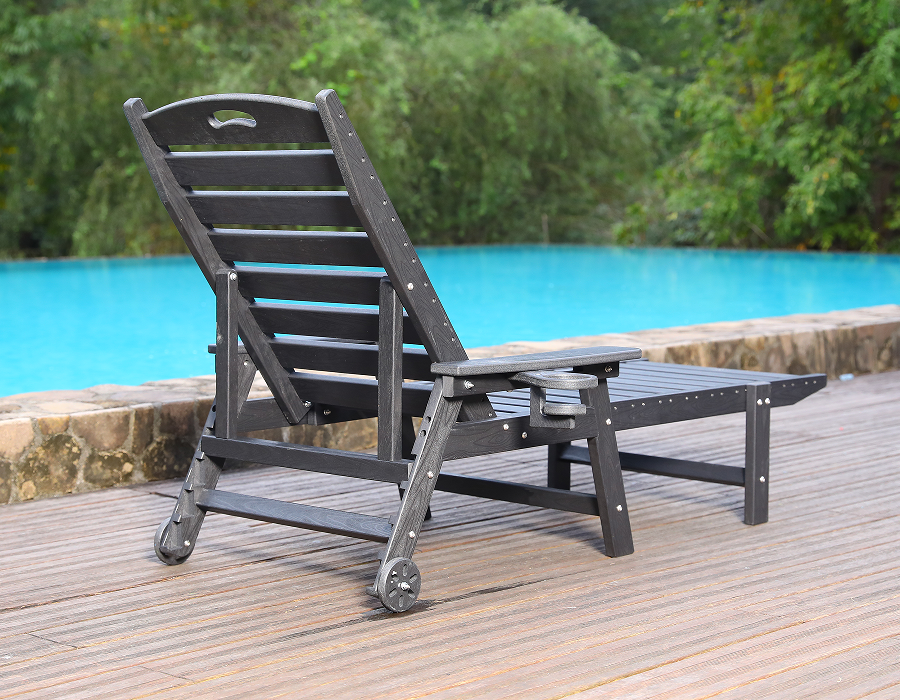 Urban Gray HDPE Single Adirondack Lounge ChairA compact, zero-maintenance HDPE lounge chair with recline positions, suited to balconies and patios when refreshing a seating area with a cushion.View Product →
Washing outdoor pillows is mostly a matter of patience: remove what you can dry, use mild soap, rinse well, and let air do the rest. Do that, and your patio will feel ready for guests instead of like a chore waiting under the trees.
Contact Us
Your email address will not be published. Required field are marked*
Categories
- Company News(1)
- Industry News(50)
Product Category

Professional Furniture Manufacturing

Zhejiang Xinyike New Material Technology Co.,Ltd is a combination of industry and trade, specializing in the production and processing of PE foam furniture and PVC foam flooring. Modern HDPE Outdoor Furniture Manufacturers in China.

- [email protected]
- +86-13511235540 /13732381238
- F/5, Factory Building 3, Xiaquan Industrial Park, Lingfeng Street, Anji Country, Huzhou City, Zhejiang Province(within Zhejiang Anji Changran Logistics Technology Co., Ltd.)
