

 English
 中文简体
 Español
How to Clean Pollen Off Outdoor Furniture: Dry First, Then Wash Gently
Oct 22, 2026Content
Pollen is one of those outdoor messes that looks harmless until you touch it. A sunny yellow dusting on a chair back or tabletop can turn into a smeared film the moment a wet cloth hits it. After years of helping customers care for HDPE outdoor furniture — and cleaning plenty of our own patio pieces after long winters — the most reliable approach is simple: remove the dry pollen first, wash with the mildest solution that works, then dry everything thoroughly. That sequence saves time and prevents the yellow-brown stains that set in when pollen is pushed into a surface.
Start With Dry Removal, Not a Wet Rag
Your first instinct may be to spray everything down. Resist it. Dry pollen is a fine powder, and water turns it into a paste that can work into slats, seams, woven cushions, and wood grain. Use a leaf blower on low, a soft brush, or a vacuum with a brush attachment. Work from the top of each piece downward, and pay attention to the space between the seat and back. On cushions, vacuum both sides before you apply any liquid. If the pollen layer is heavy, brush it onto the lawn rather than back onto the patio. This dry step removes most of the problem before you ever reach for soap.
Mix a Gentle Wash That Lifts the Rest
For most outdoor furniture, warm water and a few drops of mild dish soap are enough. Mix a teaspoon of soap into a quart of water, or a small squeeze into a bucket, and apply it with a soft cloth or brush. Let it sit for three to five minutes — no longer — then rinse with clean water and dry with a microfiber cloth. Avoid abrasive pads, strong degreasers, and bleach on colored surfaces. If a stubborn film remains, mix equal parts water and white vinegar, test it in a hidden spot, and wipe gently. Rinse afterward, because vinegar left in the sun can leave its own marks.
A Surface-by-Surface Cheat Sheet
The right method depends on what the pollen has landed on. The table below is the short version we use when training new team members.
| Surface | Best first step | Wash method | Watch out for |
|---|---|---|---|
| HDPE / poly lumber | Blow or brush off dry pollen. | Warm soapy water, soft brush, rinse, towel dry. | Skip abrasive pads that dull the finish. |
| Powder-coated metal | Soft brush or vacuum. | Mild soap, rinse, dry joints and feet. | Trapped water can encourage rust at chips. |
| Wood (teak, acacia, painted) | Soft brush only. | Mild soap, quick rinse, dry flat. | Do not soak or pressure-wash. |
| Wicker and rattan | Vacuum with brush tool. | Damp cloth and gentle spray. | Over-wetting loosens weaves. |
| Fabric cushions | Vacuum both sides. | Mild soap, sponge, rinse, air dry upright. | Do not machine-dry foam. |
| Glass and tabletops | Squeegee or soft cloth. | Soapy water or glass cleaner. | Avoid ammonia near coated frames. |
Cushions and Fabric Need a Slow-Dry Rule
Cushions hold pollen in the weave, and they also hold water. Vacuum first, then sponge the surface with a mild soap solution rather than soaking it. Rinse by wiping with a clean, damp cloth, and let the cushion dry upright with air moving around both sides. If you can remove the cover, follow its care label and wash it separately. Never put foam cushions in a dryer. For stubborn stains, a diluted vinegar solution or an enzyme cleaner made for outdoor fabrics can help, but test a hidden area first. Dryness matters as much as cleaning: a cushion that stays damp can grow mildew, which is harder to remove than pollen.
The Spots That Collect the Most Pollen
Pollen does not just land on seat cushions. It settles on table rims, between chair slats, around armrests, on the feet, and in the hardware recesses. A soft toothbrush is useful for those narrow areas. Rinse them with a gentle stream from a hose, not a pressure washer, and dry the metal parts with a cloth. Small side tables and coffee tables are easy to overlook because they look clean from above; lift them and check the lower shelf or storage area. A design with fewer ledges gives pollen fewer places to gather, which is one reason simple HDPE pieces are so practical.
 Lake Blue Double-Layer HDPE Storage Side TableA compact two-tier HDPE side table with storage, suited to balconies or living rooms and easy to wipe down when pollen gathers.View Product →
Prevention That Actually Helps
Once the furniture is clean, a little routine keeps pollen from building up. During the two to four weeks when pollen is heaviest, hose down hard surfaces every few days and wipe them with a microfiber cloth. A cover helps, but only if it is clean; pollen on a cover transfers back to the furniture. Shake or rinse covers before putting them back. Keep furniture away from the heaviest pollen drop under trees, and use an outdoor rug to trap some of the dust before it reaches the patio. Material choice matters, too. HDPE is non-porous, so pollen sits on the surface instead of soaking into grain, and it can be rinsed without worrying about rot. That is one reason HDPE holds up so well in sun and rain.
If you are adding a piece that is easy to hose down, a single HDPE Adirondack lounge chair is a sensible place to start.
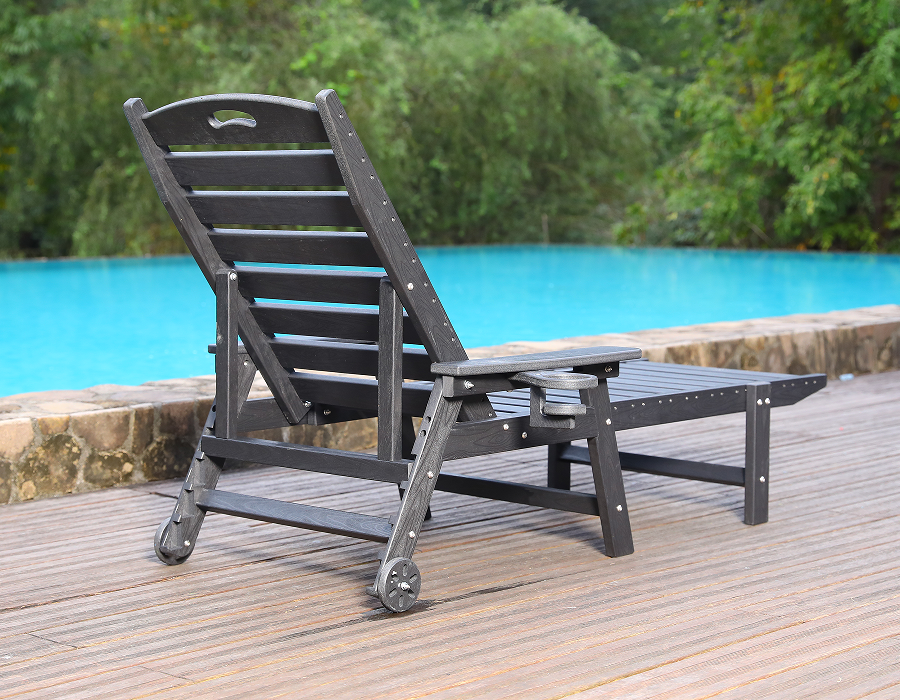 Urban Gray HDPE Adirondack Lounge ChairA single HDPE Adirondack lounge chair for balconies and patios, with a low-maintenance finish that can be wiped clean as part of seasonal pollen care.View Product →
A Simple Seasonal Routine
Think of pollen cleanup as a short seasonal routine rather than a big spring project. A practical order looks like this:
- Check the forecast and choose a dry, breezy morning.
- Blow or brush loose pollen off every surface.
- Wash with mild soapy water, working top to bottom.
- Rinse thoroughly and dry hardware with a cloth.
- Vacuum cushions and let them air dry upright.
- Wipe tabletops once more after the pollen peak passes.
A weekly rinse during the worst weeks will do more than an aggressive scrub once a month.
When to Give It a Deeper Clean
Some pollen stains need more than soap. If a yellow film remains after washing, or if pollen has mixed with tree sap, use a small amount of diluted vinegar or an outdoor fabric cleaner and give it time to work. Avoid scrubbing harder; abrasion can dull HDPE, scratch painted metal, and fuzz cushion fabric. If mold or mildew has started, clean and dry the piece completely before using it again. Delicate cushions and antique wood may be worth a professional assessment, but most everyday outdoor furniture responds well to the dry-first, gentle-wash approach.
The best way to clean pollen off outdoor furniture is not a secret product or a high-pressure shortcut. It is a patient sequence: lift the dry dust, wash gently, rinse well, and dry completely. Do that a few times each pollen season, and your patio will stay ready for the first warm afternoon instead of waiting for a deep clean. If you are choosing furniture with cleanup in mind, our outdoor dining furniture is built for real patios, not showrooms.
Contact Us
Your email address will not be published. Required field are marked*
Categories
- Company News(1)
- Industry News(50)
Product Category

Professional Furniture Manufacturing

Zhejiang Xinyike New Material Technology Co.,Ltd is a combination of industry and trade, specializing in the production and processing of PE foam furniture and PVC foam flooring. Modern HDPE Outdoor Furniture Manufacturers in China.

- [email protected]
- +86-13511235540 /13732381238
- F/5, Factory Building 3, Xiaquan Industrial Park, Lingfeng Street, Anji Country, Huzhou City, Zhejiang Province(within Zhejiang Anji Changran Logistics Technology Co., Ltd.)
